Integrating CCTV Installation with Smart Home Systems
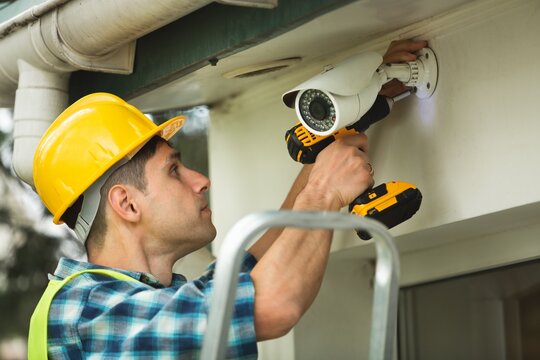
Modern security is no longer limited to standalone cameras recording footage onto a hard drive. Today, CCTV installation is becoming a central part of fully connected smart homes across the UK. Homeowners want surveillance systems that integrate seamlessly with lighting, alarms, door access, and mobile apps — creating a unified, intelligent protection network.
When properly integrated, a CCTV system does more than capture video. It communicates with motion sensors, smart locks, video doorbells, and cloud storage platforms to create real-time monitoring and automation. This shift toward connected security systems is transforming how homeowners manage safety, convenience, and energy efficiency.
Smart integration also allows remote access through smartphones and tablets, enabling property owners to check live feeds, receive motion alerts, and control devices from anywhere in the world. Instead of isolated equipment, everything works together in one ecosystem.
Why Smart Home Integration Matters in Modern CCTV Installation
Traditional security camera systems operate independently. However, integrating surveillance cameras with smart home technology offers enhanced control and automation. When devices communicate with each other, your home becomes proactive rather than reactive.
For example, when a motion detection camera identifies movement outside your property, it can automatically trigger smart floodlights, activate a siren, and send push notifications to your phone. This real-time response significantly increases deterrence and response speed.
Enhanced Remote Monitoring and Control
Smart integration allows homeowners to:
- View live camera feeds through mobile apps
- Receive instant alerts when unusual activity is detected
- Store footage securely in cloud-based systems
Instead of manually checking recordings, intelligent analytics can identify suspicious behaviour, recognise familiar faces, and filter false alarms caused by pets or passing vehicles. This reduces unnecessary notifications while improving overall efficiency.
Improved Automation and Device Synchronisation
When CCTV systems connect with smart thermostats, lighting systems, and door access controls, the home responds dynamically. For example, outdoor cameras detecting motion at night can automatically switch on smart LED lights to illuminate entry points.
This level of automation provides both security and convenience. Integration also improves energy efficiency because lights and alarms activate only when necessary.
Key Components Required for Seamless Integration
To successfully combine CCTV installation with smart home systems, several technical elements must work together. Compatibility is essential, and professional setup ensures stable connectivity.
Smart Hub or Home Automation Platform
A central control hub acts as the brain of the system. Popular platforms allow integration between IP cameras, WiFi-enabled devices, and cloud-based applications. The hub ensures all components communicate effectively.
Network Infrastructure and Connectivity
Reliable broadband and secure WiFi networks are critical. Since most modern surveillance cameras rely on internet connectivity for remote viewing and storage, network stability directly impacts performance.
Proper configuration prevents issues like video lag, signal interference, or cybersecurity vulnerabilities.
Cloud Storage and Data Encryption
Cloud-based video storage provides secure access and backup. Unlike traditional DVR systems, cloud solutions protect footage even if physical hardware is damaged or stolen.
Strong encryption protocols and secure login authentication protect sensitive video data from unauthorised access.
Practical Use Cases of Integrated CCTV Systems
Smart integration transforms CCTV installation from a passive monitoring tool into an active protection system. Several real-world scenarios highlight its effectiveness.
Smart Entry and Access Control
When integrated with smart locks and video doorbells, CCTV cameras allow homeowners to verify visitors before granting access. Through mobile notifications, you can:
- See who is at the door in real time
- Unlock doors remotely for trusted guests
- Record all entry and exit activity
This enhances security while offering convenience for deliveries and family members.
Perimeter Security and Outdoor Monitoring
Driveway cameras, garden surveillance systems, and garage monitoring devices can be synchronised with motion sensors and alarm systems. If an intruder approaches, the system can automatically activate lighting and record high-definition footage.
Integration ensures no blind spots in coverage and strengthens perimeter protection.
Benefits of Professional CCTV Installation for Smart Homes
While DIY smart security kits are widely available, professional installation guarantees optimal performance and long-term reliability. Expert configuration ensures cameras are strategically positioned, networks are secure, and devices are compatible.
Professionally installed systems provide:
- Correct camera placement for maximum coverage
- Secure wiring and weatherproof installation
- Optimised network configuration to prevent connectivity issues
Improper setup can lead to poor video quality, weak signals, or security vulnerabilities. A professional approach ensures seamless communication between surveillance cameras and automation platforms.
Companies like sahisecurevolt understand the importance of aligning CCTV infrastructure with smart technology, ensuring systems operate efficiently and securely.
Smart Features That Elevate CCTV Performance
Modern CCTV systems offer advanced capabilities that enhance security when integrated with home automation platforms.
AI-Based Motion Detection
Artificial intelligence allows cameras to distinguish between humans, animals, and vehicles. This reduces false alarms and ensures alerts are relevant.
Two-Way Audio Communication
Many smart cameras include built-in microphones and speakers. This enables homeowners to communicate with visitors or warn potential intruders remotely.
Real-Time Mobile Notifications
Instant push notifications provide awareness even when you are away. Combined with live streaming capabilities, homeowners can respond immediately to suspicious activity.
Smart Scene Automation
Automation scenes allow multiple devices to respond simultaneously. For instance, when the system switches to “Away Mode,” cameras activate, doors lock, and interior lights turn off automatically.
Security and Privacy Considerations
While smart integration offers convenience, cybersecurity remains a priority. Connected devices can become vulnerable if not properly secured.
Strong passwords, two-factor authentication, and encrypted communication channels protect surveillance footage from cyber threats. Regular firmware updates also maintain system integrity.
Homeowners should ensure compliance with UK data protection regulations, especially when cameras cover public areas or shared spaces. Clear signage and responsible placement maintain privacy while providing protection.
Future Trends in Integrated Home Surveillance
The future of CCTV installation lies in deeper automation and smarter analytics. Integration with voice assistants, facial recognition systems, and predictive threat detection will continue to evolve.
Edge computing technology allows cameras to process data locally, improving speed and reducing reliance on cloud servers. Meanwhile, 4K ultra-high-definition cameras are becoming standard for residential properties.
As smart homes grow more sophisticated, surveillance systems will play a central role in connected living. Integration ensures safety, convenience, and control are unified in one streamlined ecosystem.
Conclusion
Integrating CCTV installation with smart home systems represents the next generation of residential security. Rather than functioning as standalone devices, cameras now work in harmony with lighting, alarms, smart locks, and mobile applications.
This intelligent connectivity enhances monitoring, automation, and real-time response. With professional setup, secure networking, and compatible devices, homeowners gain comprehensive protection without sacrificing convenience.
As technology advances, integrated surveillance systems will continue redefining modern home security — making properties safer, smarter, and more efficient than ever before.